
Waterford Greenway: Coastal Cycling Paradise
Explore 46 kilometers of coastal beauty from Waterford city to Dungarvan

A Gentle Ride Along the Coast
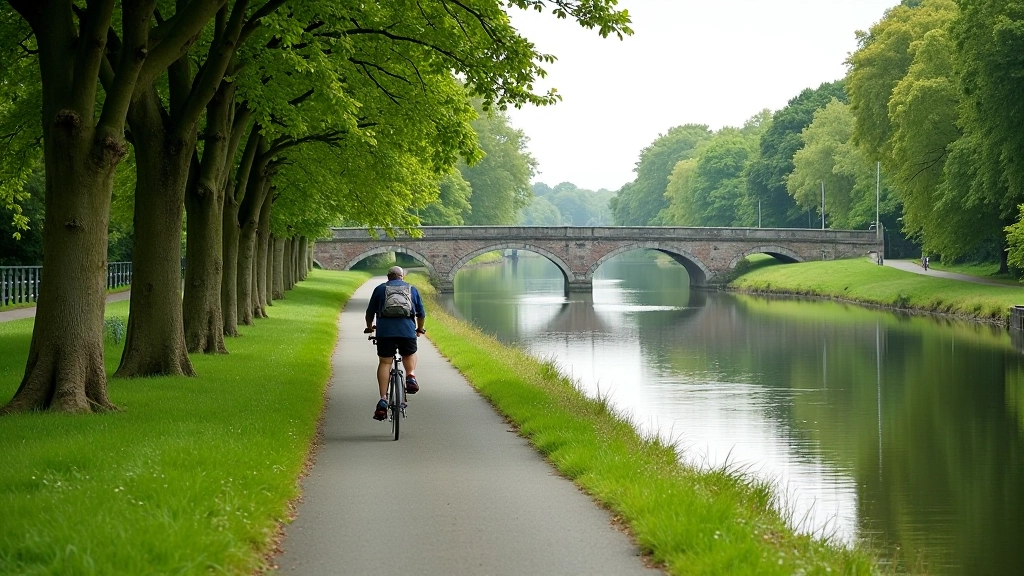
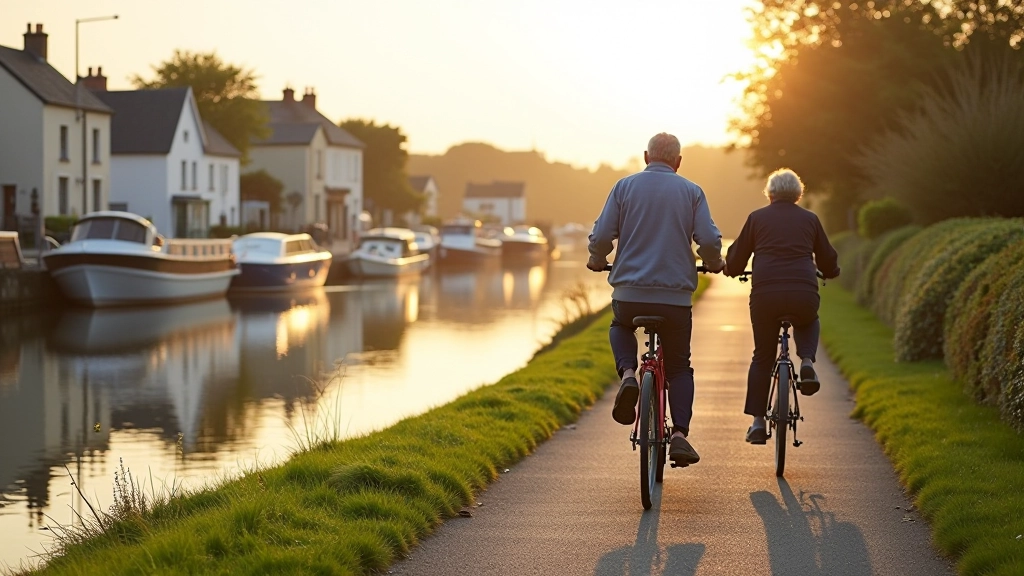
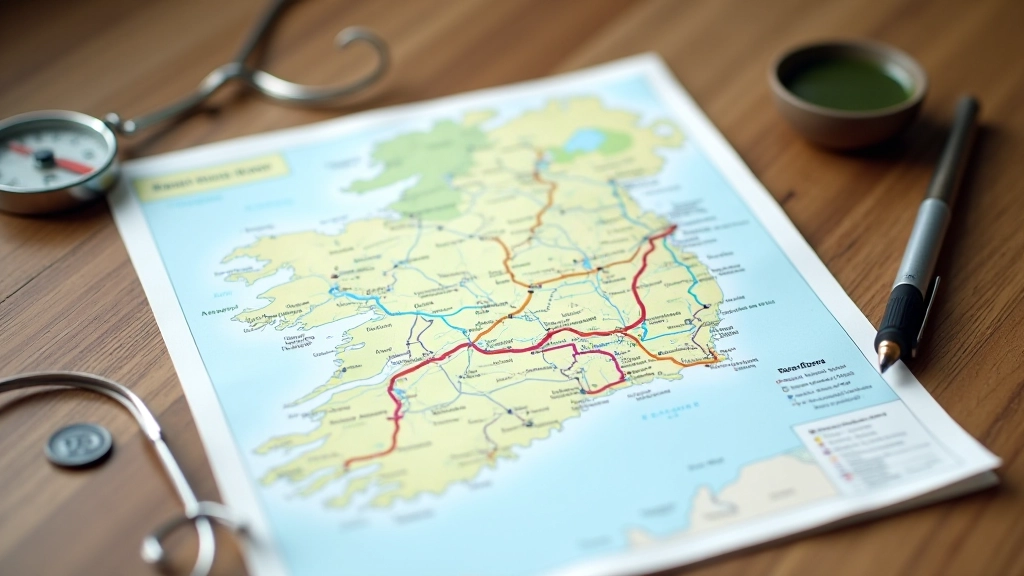
The Waterford Greenway isn't just another bike path. It's a 46-kilometer journey that'll take you from the heart of Waterford city down to the seaside town of Dungarvan, following what used to be a railway line. The route's mostly flat, well-maintained, and you're cycling alongside the beautiful Abhainn Mór river and coastal scenery the whole way.
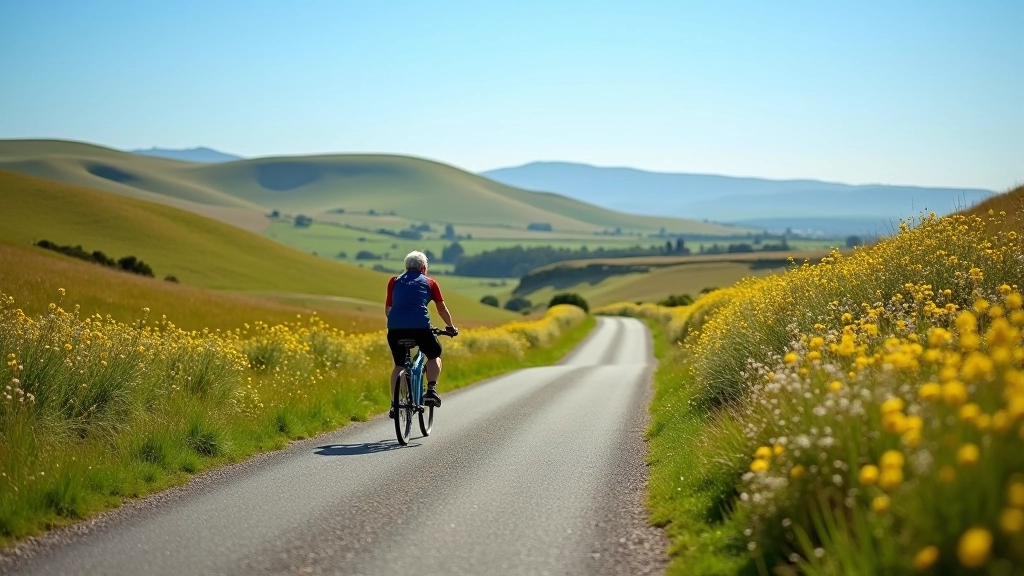
What makes it special? It's designed for exactly this kind of riding — no steep hills, no aggressive traffic, just you and the landscape. You'll pass through quiet villages, see local life happening naturally, and actually have time to notice things along the way. Most people cycle it in one long day, but there's no rush. You could easily split it across two days if you want to take your time.

What You'll Find Along the Route
The route follows the old Waterford to Dungarvan railway line, which means it's built on solid ground — no loose gravel or uneven surfaces. The surface is tarmac and well-kept throughout. You're never far from a village or town if you need to stop for water, food, or just a break on a bench.
About 10 kilometers in, you'll hit Ballyduff. It's a small place but there's a café there where people stop. From there, the landscape opens up more — you get better views of the water and you'll notice the path gets quieter. By the time you reach Abbeyside around the 35-kilometer mark, you're close enough to smell the sea properly. The final stretch into Dungarvan is where it gets really nice, with the town gradually appearing ahead of you.
Key Stops Worth Your Time
- Ballyduff — café and small shops (10 km)
- Abbeyside — village with amenities (35 km)
- Dungarvan — seaside town with restaurants and accommodation (46 km)
Getting There and Planning Your Day
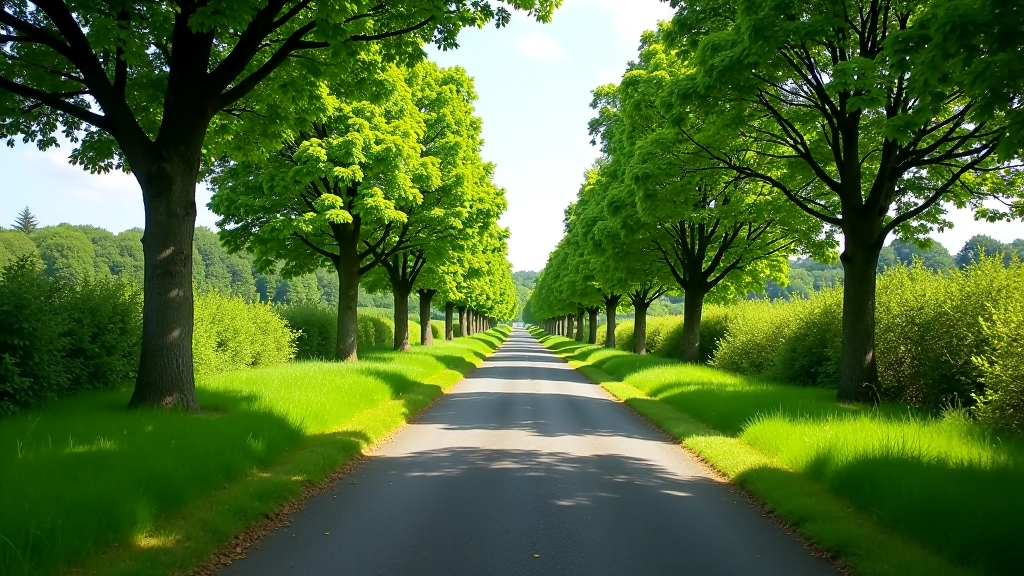
Starting from Waterford city is straightforward. The greenway entrance is well-marked and there's car parking right there. If you're using public transport, Waterford has good bus connections from Cork and Dublin. There's also bike rental available in the city if you don't want to bring your own.
Timing matters more than you'd think. If you start early — say 8 or 9 in the morning — you'll have the path mostly to yourself. By mid-morning on weekends, it gets busier, especially during summer months. You don't need fancy gear. A comfortable bike that you're confident on is enough. The path's so smooth that even older hybrid bikes handle it perfectly.
Budget 4 to 5 hours for the full ride if you're cycling at a relaxed pace. That's including a proper lunch break and maybe a couple of photo stops. Don't try to rush it. The whole point is enjoying the ride, not ticking off kilometers.
Practical Tips That Actually Matter
Water and Hydration
Bring a water bottle. You'll find taps in the villages, but don't rely on it. On warm days, you're cycling in open areas without much shade, so staying hydrated isn't optional.
Weather Planning
Check the forecast before you go. Wind comes off the water and can be stronger than you'd expect. Layering works better than one heavy jacket — you can adjust as you warm up.
Bike Maintenance
Make sure your brakes work properly and your tires have decent tread. There's nowhere to repair a bike mid-route, so basic pre-ride checks matter. Pump your tires the morning of your ride.
Navigation
The path is well-marked. You won't get lost. But having a phone with maps or a printed route map gives you confidence, especially if you want to explore side routes or find restaurants.
Villages Worth Exploring
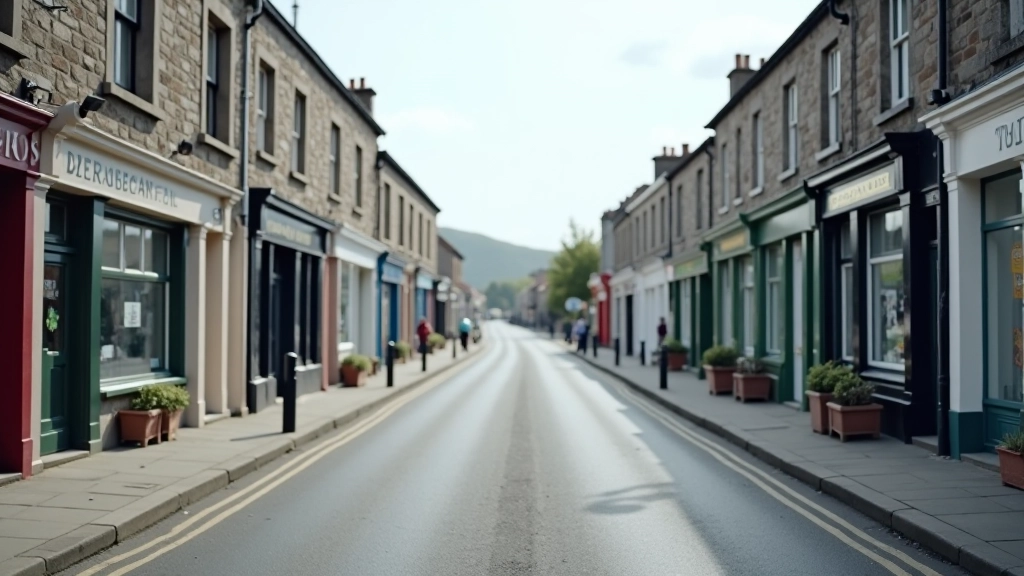
You don't have to stop at every village, but some are genuinely worth a detour. Ballyduff has that café I mentioned, plus a small supermarket if you need snacks. The people running these places are used to cyclists — they know you'll want to get back on the road, so service is quick.
Abbeyside is more interesting. There's a heritage center if you want to learn about the area's history, a few pubs that do good food, and the setting's prettier — you're really close to the water here. Spend an hour here if you've got time. Dungarvan at the end is a proper seaside town with restaurants, pubs, ice cream shops, and shops. It's worth arriving with enough time to have a proper meal and walk around before heading back.
Many people cycle back the same day, but honestly, if you stay overnight in Dungarvan, you'll enjoy the ride more. You're not rushing. You can have a leisurely breakfast and take the return journey the next morning when you're fresh.
Important Information
This guide provides educational information about the Waterford Greenway cycling route for planning purposes. While we've made every effort to ensure accuracy, cycling conditions, opening hours, and amenities can change. Weather and personal fitness levels affect individual experiences. Always wear a helmet, follow local traffic rules, and check current conditions before you go. If you have health concerns, consult with your doctor before undertaking any cycling activity. This route is generally suitable for beginners and casual cyclists, but individual abilities vary — ride within your comfort level.
Why the Waterford Greenway Matters
The Waterford Greenway represents what cycling should be — accessible, beautiful, and genuinely enjoyable. It's not about speed or athletic achievement. It's about getting on a bike, moving at your own pace, and discovering a part of Ireland that most people never see from a car window. The 46 kilometers from Waterford to Dungarvan take you through landscapes that shift gradually from urban to rural to coastal. You'll notice details — birds, trees, how the light changes, the smell of the water getting stronger as you approach Dungarvan.
If you're thinking about it, just go. Don't overthink the planning. Bring a bottle of water, wear comfortable clothes, and give yourself an afternoon. You'll understand why people come back to this route year after year.