Royal Canal Cycling Path: Dublin's Urban Greenway
Discover how to explore Dublin's 146-kilometer canal network through the city and into quieter countryside areas.

Why the Royal Canal Matters for Cyclists
The Royal Canal isn't just another Dublin attraction — it's a 146-kilometer cycling pathway that runs from the city center all the way to the Shannon. You'll find everything here. Urban sections where you're cycling past Georgian architecture, then quiet stretches through farmland where you'll barely see another person.
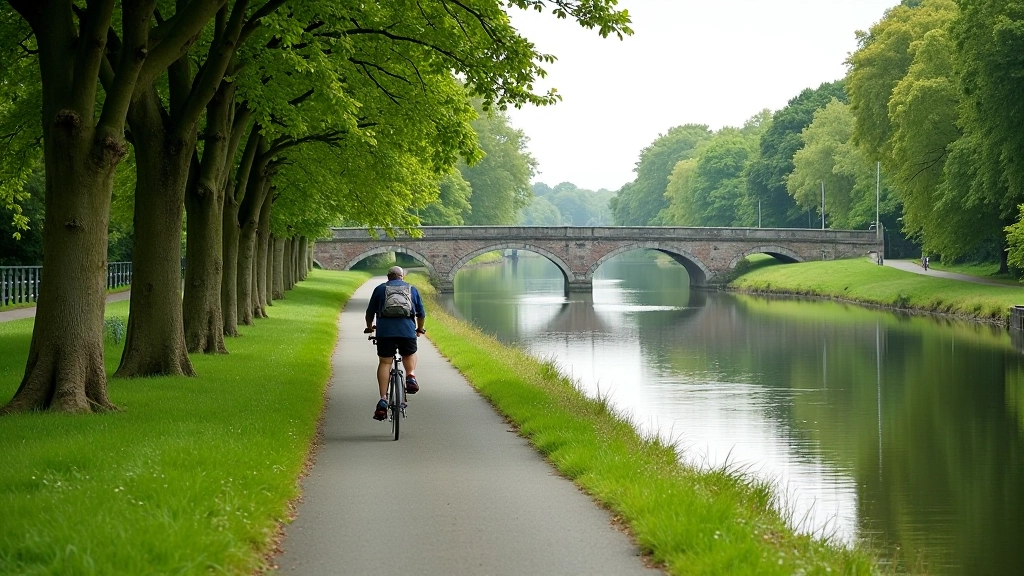
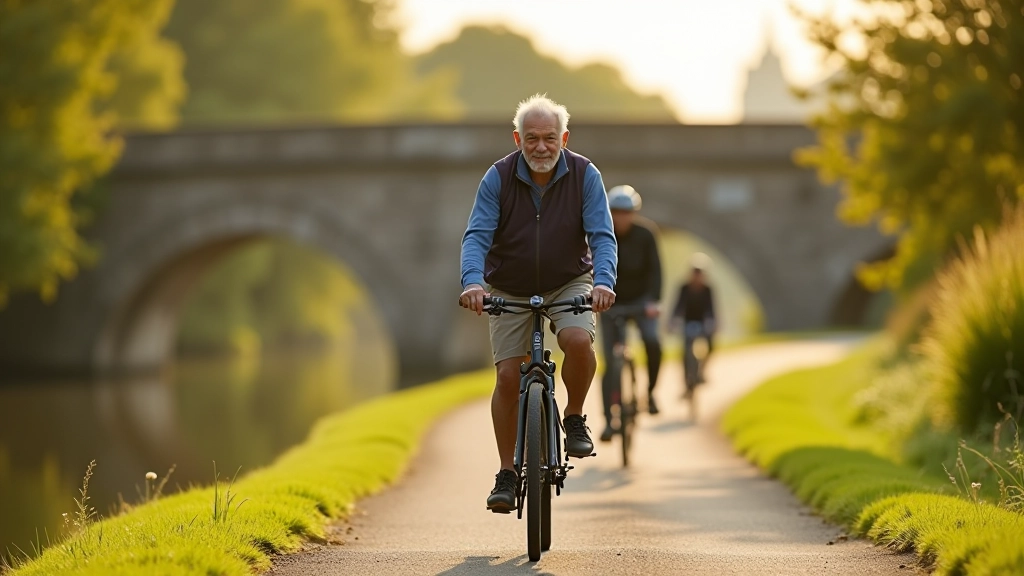
What makes it special is the mix. It's not a boring straight line. The towpath dips through villages, crosses bridges, passes working locks, and takes you through countryside that feels genuinely peaceful. Most of the path is flat — which matters if you're getting back into cycling after years away — and it's maintained regularly so you won't hit unexpected rough patches.
Understanding the Full Route
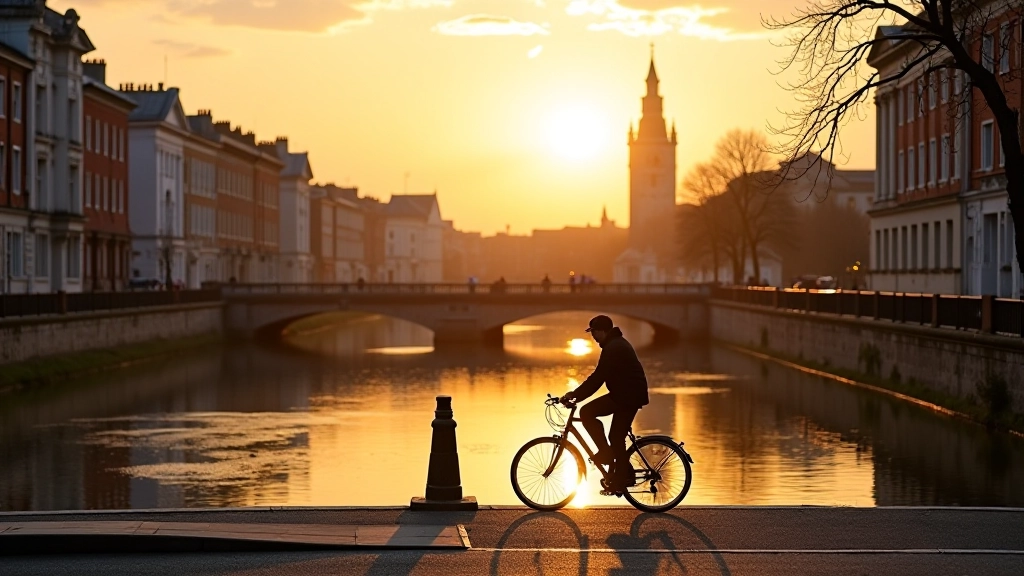
The canal runs from Spencer Dock in Dublin's city center westward through the heart of the capital. The first 20 kilometers take you past neighborhoods most tourists never see — Smithfield, Stoneybatter, Ashtown. This is where locals actually live and work. The path is busy during weekdays with commuters, but early mornings and weekends are quieter.
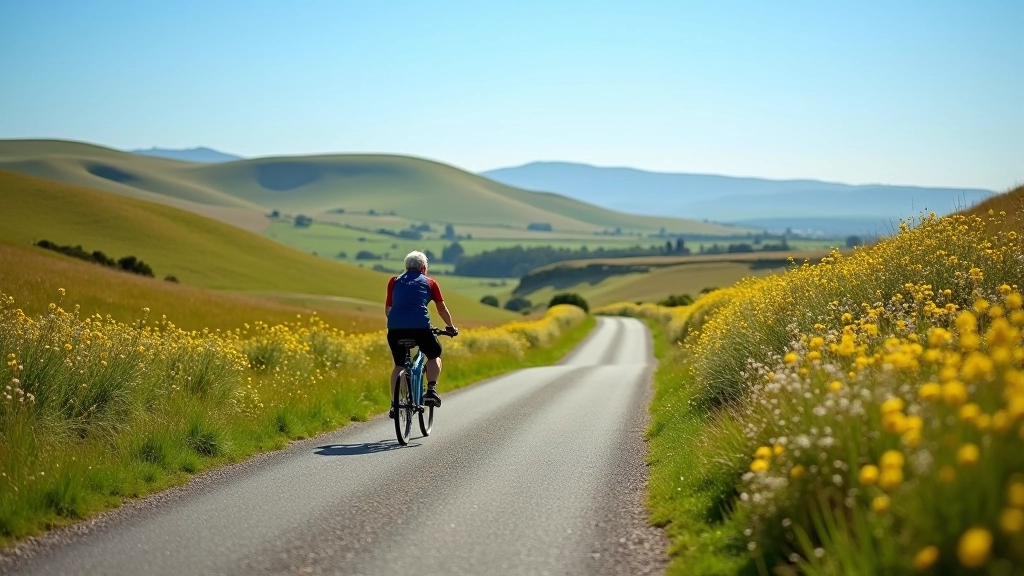
After you leave Dublin's suburbs around Blanchardstown, things change dramatically. The countryside opens up. You're cycling through County Westmeath with proper rural views — fields, hedgerows, occasional villages where you can stop for tea. The path continues all the way to Clondra where it connects to the Shannon system. That's the full 146 kilometers.
Quick fact:
Most cyclists break this into sections. A full day might be
Dublin to Maynooth (30km), or Maynooth to Athlone (60km). You
don't have to do the whole thing in one go.
Practical Details That Actually Matter
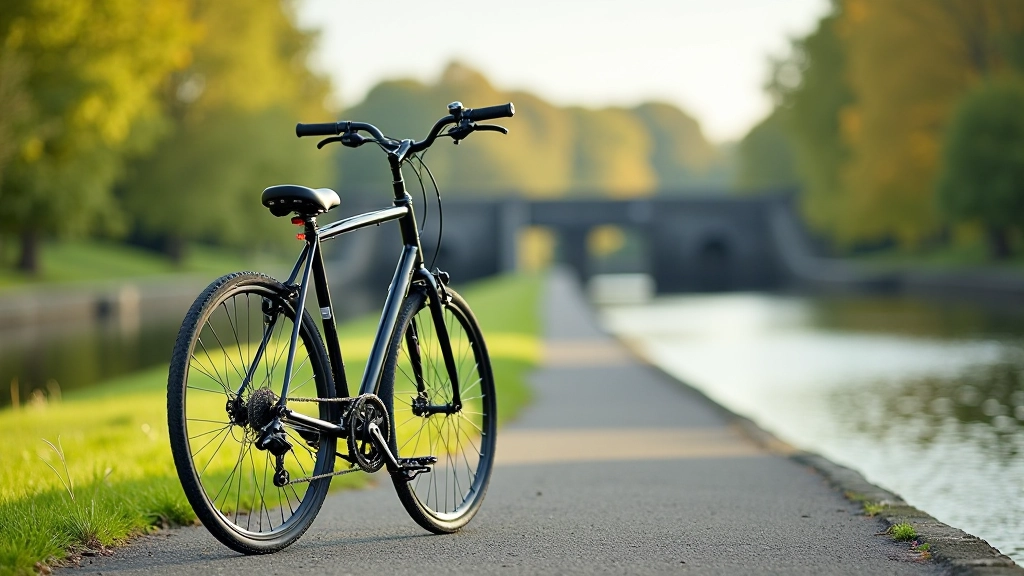
The surface is mostly asphalt and well-packed gravel. You're not riding on rough terrain — a hybrid or road bike works perfectly fine. There are a few sections where the path gets narrower, particularly around the locks, but nothing that'll cause real problems. Just watch for pedestrians in the city sections and slow down when you're sharing the space.
Before You Head Out
- Bring water. You'll pass shops in villages but there are stretches where you won't see cafes for 8-10km.
- The path gets muddy after rain, especially west of Maynooth. Wider tires handle it better.
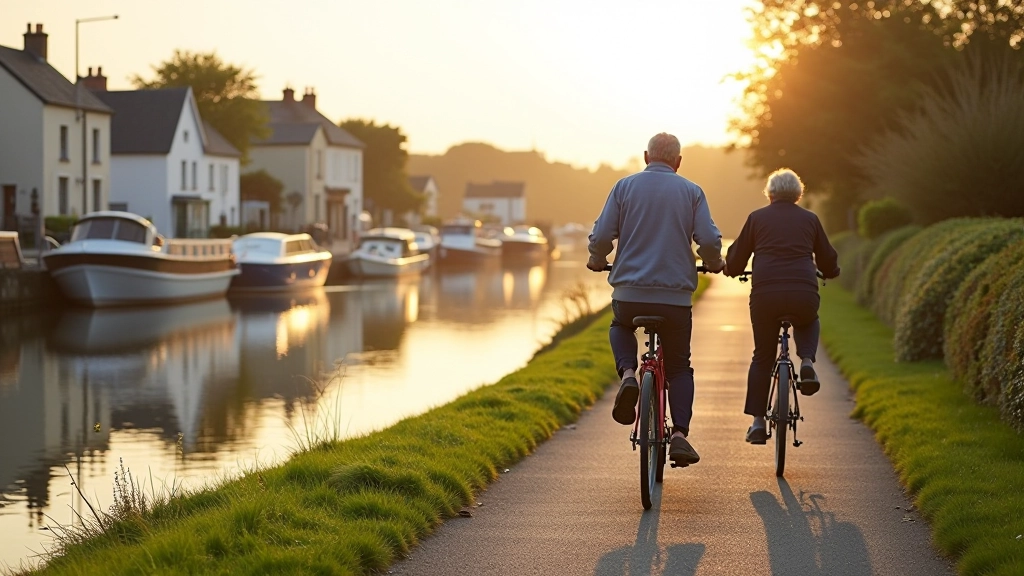
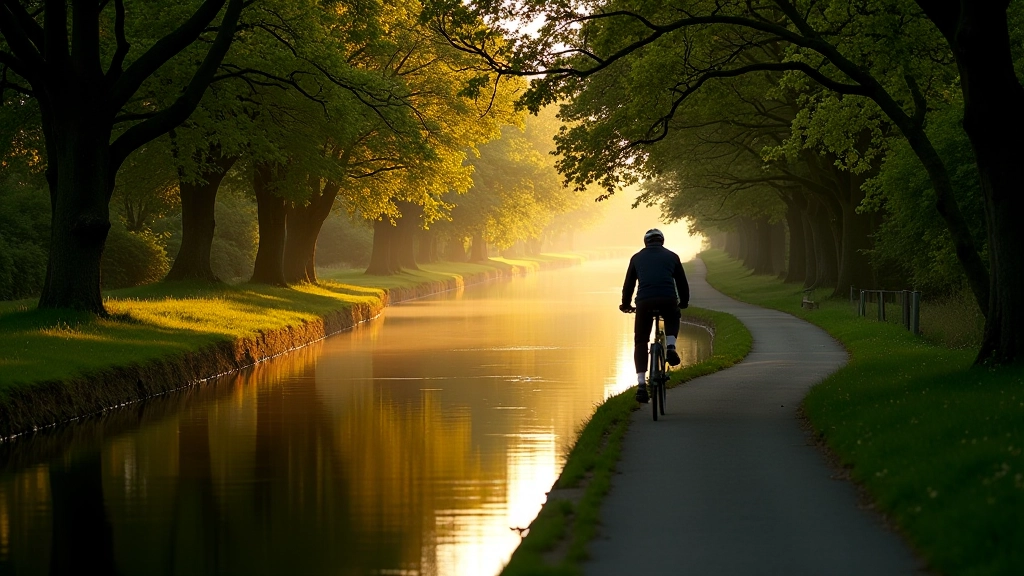
- Sunrise cycling in spring is genuinely special — you might see herons, ducks, and the light is perfect for photos.
- Puncture kit and basic tools. You won't be miles from civilization but it's better to be prepared.
The path is open year-round. Summer's busy with tourists and families, so if you prefer quiet rides, aim for April-May or September-October. Winter can be damp but it's rarely icy, and the bare trees mean clearer views across the countryside.
Breaking It Into Manageable Sections
Dublin City to Maynooth (30km)
This is the most urban section. You're cycling through neighborhoods, past pubs and shops. It's good for getting a feel for the path and doesn't take more than 2-3 hours at a relaxed pace. Maynooth's got restaurants and accommodation if you want to stop there.
Maynooth to Athlone (60km)
This is the heart of it. The landscape becomes properly rural. You'll pass through villages like Edenderry and Ballycommon. It's a full day ride but the pace is gentle and the views make it worth taking your time. Athlone's a proper town with all services.
Athlone to Clondra (30km)
The final stretch opens into wider countryside as you approach the Shannon. It's quieter than the middle section and feels like genuine rural Ireland. You'll see more wildlife — birds especially — and fewer people. Not recommended as a solo ride if you're new to cycling.
Things Experienced Cyclists Do That You Should Know
Timing Matters
Weekday mornings before 10am are genuinely empty. You'll have the path to yourself. Weekends get busier, especially Sundays in good weather. If you're doing a longer ride, start early — you don't want to be finishing in the dark.
Download Maps First
Mobile signal gets patchy west of Maynooth. Use offline maps. Google Maps lets you download sections, or grab a proper cycling app like Komoot. The path is well-marked but it's reassuring to have a backup.
Bike Choice
A hybrid bike is genuinely the best choice. It handles the mix of asphalt and gravel without being slow. Road bikes work but can feel squirrelly on loose sections. Mountain bikes are overkill and tiring. Aim for 28mm tires minimum.
Cycling Clubs
There are cycling clubs in Dublin that do regular canal rides. Joining one means you're not riding alone and you get route advice from locals. Dublin Cycling Campaign organizes beginner-friendly rides regularly.
Wildlife Watching
Bring binoculars if you're into birds. The canal is actually a nature corridor — you'll see herons, kingfishers, cormorants, and in spring, swallows. Early morning rides give you the best chance of spotting things before people show up.
Lock Gates
The path passes through 41 working lock gates. They're historic and genuinely interesting to stop and watch. Canal staff operate them, and you can chat while you're waiting. Don't rush past them.
About This Guide
This article is informational and based on typical conditions along the Royal Canal. Cycling conditions, weather, and path maintenance can change. Always wear a helmet, follow local cycling laws, and respect other path users. Check current conditions with local cycling groups or the canal authority before heading out, especially during winter or after heavy rain. This isn't professional cycling instruction — if you're new to cycling, consider taking a basic road safety course first.
The Real Appeal
The Royal Canal isn't flashy or trendy. It's just a really solid cycling route that works for people who want to ride without drama. No steep hills. No traffic. No complicated navigation. You follow the water and you're fine.
That simplicity is actually its biggest strength. You're not fighting the terrain or the environment. You're just cycling through Ireland and noticing things — the way light hits the water in the morning, how the landscape changes from Dublin suburbs to proper countryside, which cafes along the route have good coffee.
Start with the Dublin to Maynooth section if you're testing it out. If you enjoy that, go further. The canal isn't going anywhere, and neither are you if you take your time.
More Cycling Routes to Explore